Poison in the Capital’s Air: A National Health Emergency
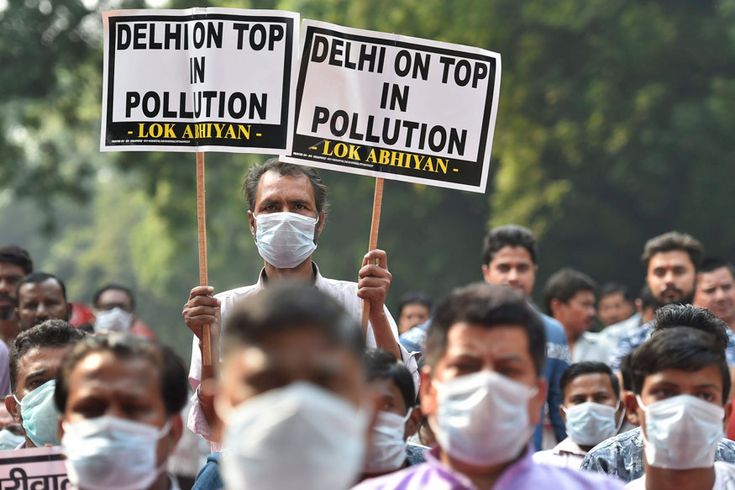
New Delhi: Delhi, the nation’s capital once considered a symbol of India’s pride and development, is now facing an unprecedented environmental and health crisis. The persistent problem of air pollution has transformed into an annual ‘suffocating crisis,’ affecting not only the quality of life for millions of residents in the National Capital Region (NCR) but also signaling a national health emergency. Every year, especially with the onset of winter, Delhi’s air oscillates between ‘Severe’ and ‘Very Poor’ categories, making it one of the most polluted cities in the world. The roots of this crisis are deep and multifaceted, encompassing local emissions to regional seasonal factors.
1. Causes of Pollution: A Complex Web
Delhi’s pollution problem is not the result of a single factor but a complex mix of several interrelated sources.
Seasonal and Geographical Factors:
Delhi’s geographical location and meteorology exacerbate this problem. During the winter months, wind speed slows and temperatures drop. This condition creates an “Inversion Layer,” trapping pollutants in the lower atmosphere and preventing them from rising or dispersing. Additionally, winds blowing from the northwest (carrying smoke from crop residue burning in neighboring states) push pollutants directly into the Delhi-NCR region, where they remain stagnant for long periods.
Stubble Burning in Neighboring States:
This is the most controversial and major regional factor of Delhi’s pollution crisis. Farmers in neighboring states like Punjab, Haryana, and Uttar Pradesh burn crop residue (stubble) on a large scale after paddy harvesting to prepare for the next crop. This practice, which often peaks in October and November, releases harmful smoke and particulate matter (PM2.5 and PM10) into the air, which travels to Delhi with the wind flow.
Vehicular Emissions:
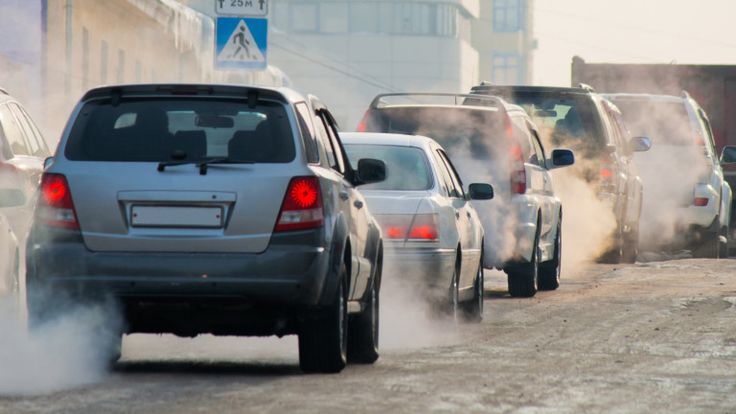
The Delhi-NCR region is one of the world’s largest vehicle markets. The increasing number of vehicles on the roads, particularly older diesel-engine vehicles, are a major source of nitrogen oxides (NOx), carbon monoxide (CO), and particulate matter. Although efforts are being made to implement strict emission standards (like BS-VI) and promote public transport, vehicular pollution remains a significant contributor to total pollution.
Construction and Demolition Activities:
Ongoing construction activities in Delhi-NCR are a major local source of dust. Fine dust and other particles from the construction of roads, buildings, and infrastructure directly mix into the air. Violations of rules, such as leaving construction material uncovered and not following dust control measures, worsen the problem.
Industrial Pollution:
Smoke and waste from industrial areas bordering Delhi also pollute the air. Industries using coal and other fossil fuels emit sulfur dioxide (SO2) and other harmful gases.
Solid Waste Management:
Open burning of garbage, especially in slum areas or fires in landfill sites, emits highly toxic pollutants like black carbon and dioxins.
2. Deadly Health Impacts
Delhi’s toxic air is often called the “Silent Killer.” When the Air Quality Index (AQI) reaches 400 or above, categorized as ‘Severe,’ it can make even healthy people sick and be fatal for those already ill.
Respiratory Diseases:
Fine particles like PM2.5 are so small that they can penetrate deep into the lungs and enter the bloodstream. This results in an increased risk of Chronic Obstructive Pulmonary Disease (COPD), asthma, bronchitis, and lung cancer. Several studies have shown a permanent negative impact on lung function in Delhi’s children.
Cardiovascular Diseases:
Pollution affects not only the lungs but also the cardiovascular system. It increases blood pressure, causes inflammation in blood vessels, and raises the risk of stroke, heart attacks, and other cardiovascular problems.
Other Health Concerns:
Growing evidence suggests air pollution can also affect cognitive health, especially in children and the elderly. Additionally, it increases the risk of diabetes, causes skin and eye irritation, and can even lead to preterm births and low-birth-weight babies in pregnant women.
3. Economic and Social Costs
The impact of air pollution is not limited to health; it also has a significant economic and social cost.
Economic Loss:
Pollution reduces labor productivity as people take sick leave. Healthcare expenses rise, placing a financial burden on families and the government. According to international reports, the economic loss due to air pollution can be equivalent to a significant portion of the country’s Gross Domestic Product (GDP).
Impact on Tourism and Investment:
Delhi’s poor air quality tarnishes its international image, negatively affecting tourism and foreign investment. Foreign employees and embassy officials may consider leaving Delhi due to bad air, further damaging the city’s international reputation.
Quality of Life:
Delhi residents are often forced to stay indoors, especially on days of ‘Severe’ pollution. Outdoor activities, sports, and social gatherings become limited, affecting mental health and overall quality of life.
4. Prevention and Government Initiatives
The Delhi government, central government, and various environmental agencies have taken several measures to tackle this crisis, but their success has been limited.
Graded Response Action Plan (GRAP):
GRAP is a phased plan for taking action based on pollution levels. Under this, restrictions are imposed as the AQI rises, such as halting construction activities, banning the use of diesel generators, and implementing the ‘Odd-Even’ scheme when needed.
Stubble Management:
The central and state governments have provided subsidies to make machinery (like Pusa Decomposer, Happy Seeder) available to farmers as alternatives to stubble burning. However, challenges remain in the effective implementation of these alternatives, such as the availability of machines, cost for small farmers, and lack of awareness.
Use of Clean Fuel:
Strict directives have been issued for industries in Delhi-NCR to switch to cleaner fuels like Piped Natural Gas (PNG). Simultaneously, public transport is being converted to electric and CNG vehicles.
Afforestation and Anti-Smog Guns:
Extensive tree plantation drives are being conducted to absorb pollution. Anti-smog guns are also used at construction sites to reduce dust.
5. The Path to Solutions: The Way Forward
There is no quick fix for Delhi’s air pollution crisis; it requires a long-term, multi-sectoral, and coordinated approach.
Regional Cooperation:
The problem of stubble burning cannot be solved by the Delhi government alone. It requires strong political will and sustained cooperation between Punjab, Haryana, Uttar Pradesh, and the central government. Farmers must be provided with viable, affordable, and attractive alternatives for stubble management.
Modernization of Public Transport:
Strengthening public transport facilities like Metro, e-buses, and cycle tracks and encouraging citizens to use them instead of private vehicles is essential. Subsidies and infrastructure expansion for Electric Vehicles (EVs) are also crucial.
Strict Enforcement:
Strict and consistent enforcement of pollution control norms at construction sites and industries is necessary. Heavy fines must be imposed on violators, holding them accountable.
Citizen Participation and Awareness:
Fighting air pollution is not the government’s job alone; it requires the participation of every citizen. At a personal level, reduced vehicle use, using clean methods for home heating, and avoiding open burning of waste can make a significant contribution.
>Conclusion: A Change Before Choking
Delhi’s air pollution crisis is not just a seasonal problem; it is a collective symbol of climate change, unchecked urbanization, and the challenges of regional governance. This crisis has not only forced the capital’s residents to wear masks and rely on air purifiers but has also deprived them of their fundamental right to breathe in a healthy and safe environment. Unless all stakeholders – governments, farmers, industries, and citizens – unite and take decisive action to eliminate this ‘suffocating poison,’ Delhi will remain a city where every breath is a risk. The time has come for all of us to work together to move Delhi away from the list of the world’s most polluted cities towards a clean and breathable future. This is not just a challenge but a national priority.